
An Island Shaped by History & Sea.
From colorful Willemstad and centuries of cultural exchange to dramatic coastlines, hidden bays and Caribbean-blue water, Curaçao is an island with a story waiting around every corner.
Caribbean character with a landscape all its own.
Curaçao is a long, generally dry island stretching roughly 40 miles (64 km) from southeast to northwest. Together with Aruba and Bonaire, it forms part of the ABC islands of the southern Caribbean.
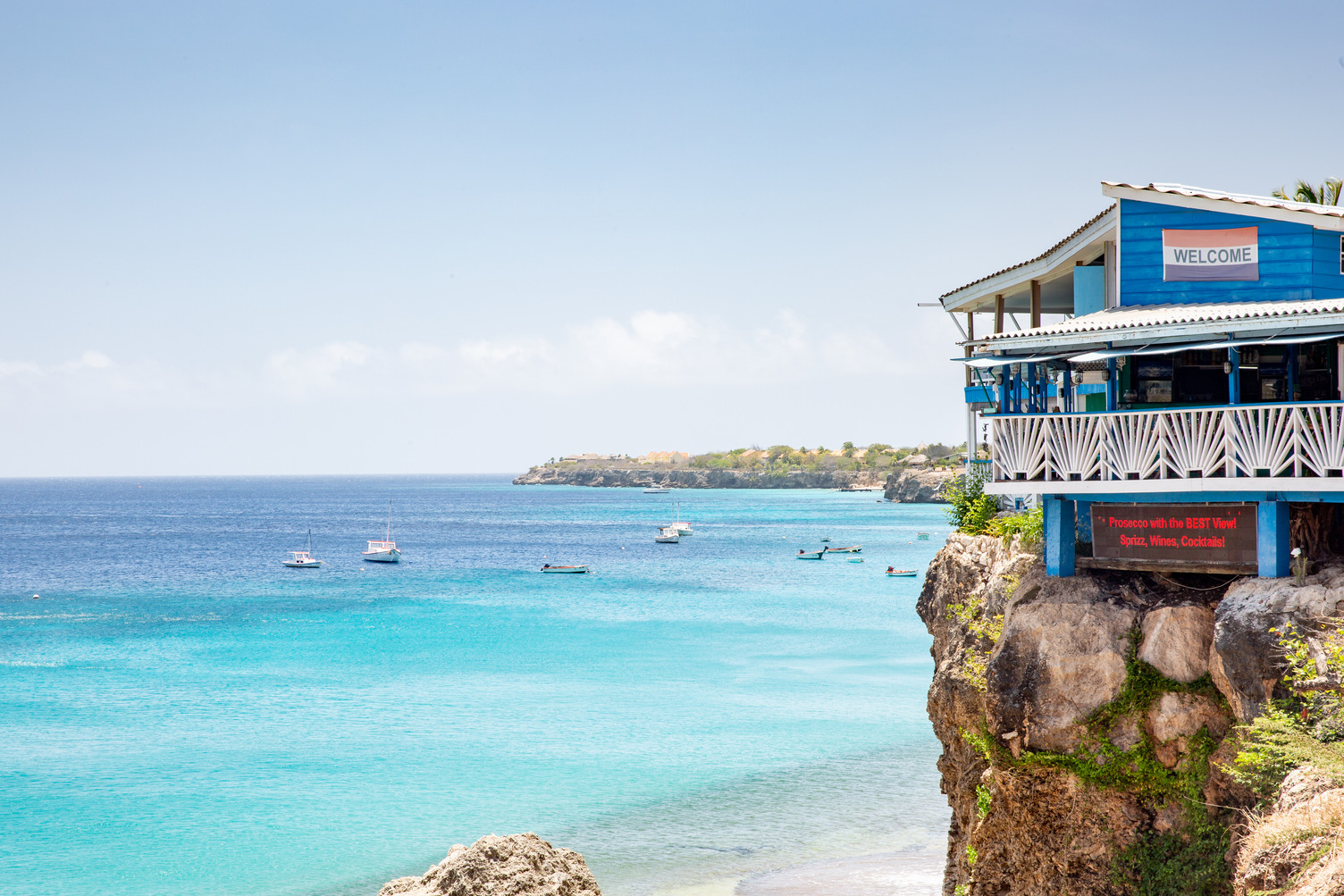
At its widest point, the island measures about 10 miles (16 km), with a total area of approximately 180 square miles (472 km²). Its southern coastline is marked by sheltered bays, beaches and natural harbors, while the north coast is dramatically different — rugged, windswept and shaped by the constant northeast trade winds.
Curaçao receives only around 20 inches (510 mm) of rainfall in an average year. Its dry climate, limestone terraces, volcanic foundations and brilliant blue sea have created scenery unlike almost anywhere else in the Caribbean.
The history of Curaçao
Curaçao's identity was formed through indigenous roots, global trade, difficult chapters of colonial history, cultural exchange and generations of island communities.
Indigenous Roots
Arawak communities from South America were among the earliest known inhabitants of Curaçao, establishing the island's human story long before European arrival.
European Arrival
European explorers reached Curaçao at the end of the 15th century, beginning a new and transformative period in the island's history.
Dutch Settlement
The Dutch established themselves on Curaçao and began developing Willemstad around its exceptional natural harbor. Fort Amsterdam dates from this period.
Abolition of Slavery
Curaçao had become an important center in the transatlantic slave trade. Slavery was abolished in the Dutch Caribbean in 1863, a defining moment in the island's social history.
World Heritage Recognition
The Historic Area of Willemstad, Inner City and Harbour was inscribed on UNESCO's World Heritage List, recognizing its exceptional architectural and cultural importance.
Curaçao Today
Curaçao became a constituent country within the Kingdom of the Netherlands, beginning a new chapter while preserving its distinct Caribbean identity.
A Record Year for Tourism
Curaçao welcomed a record 700,249 stayover visitors in 2024, reflecting the island's growing international appeal. Including day visitors and cruise passengers, total arrivals reached more than 1.57 million.
Heritage, Culture & Caribbean Life
Today, Curaçao brings together its multicultural heritage, historic architecture, vibrant neighborhoods, natural landscapes and modern Caribbean lifestyle. Visitors can experience centuries of history while enjoying beaches, culture, cuisine and the unmistakable character of the island.
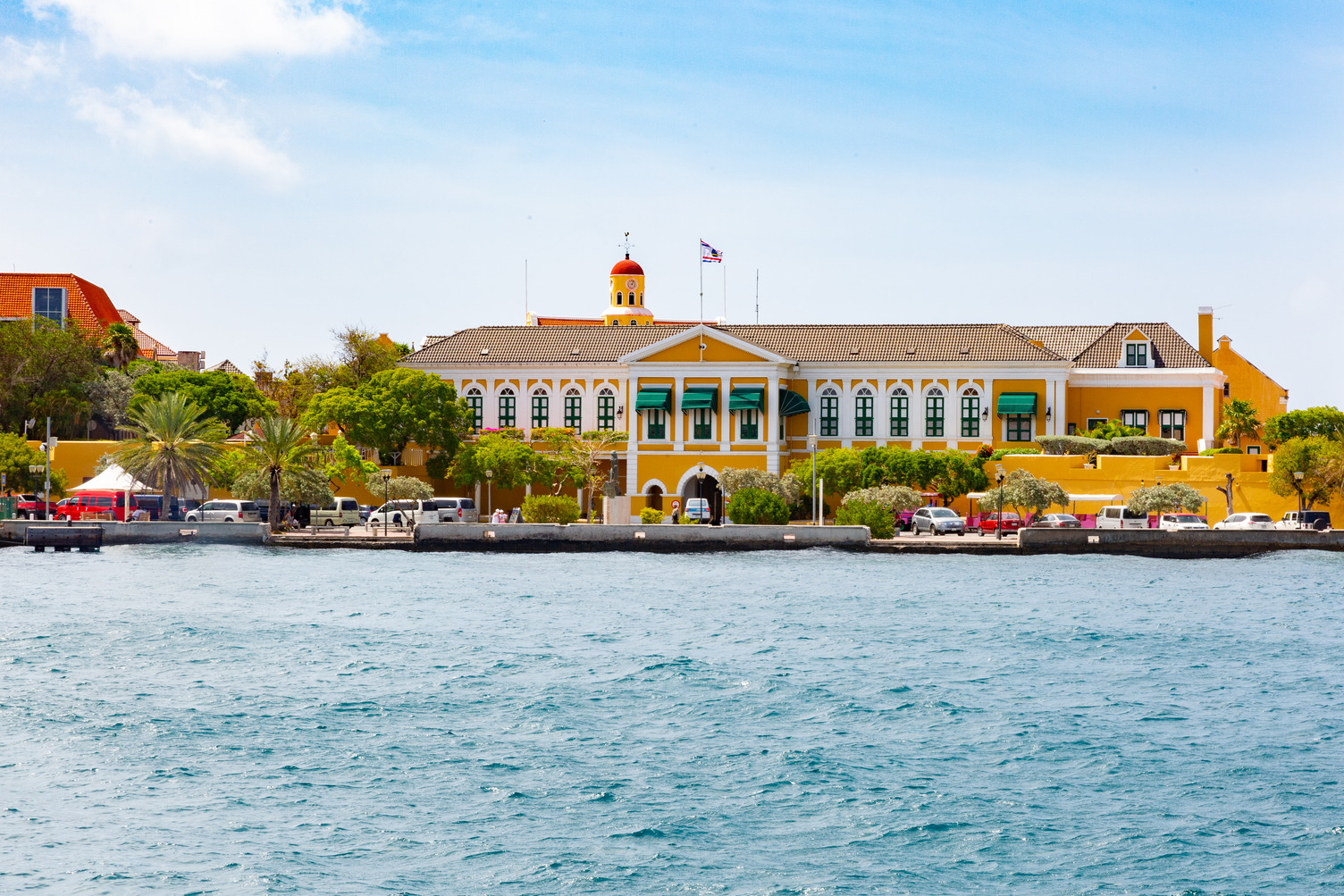
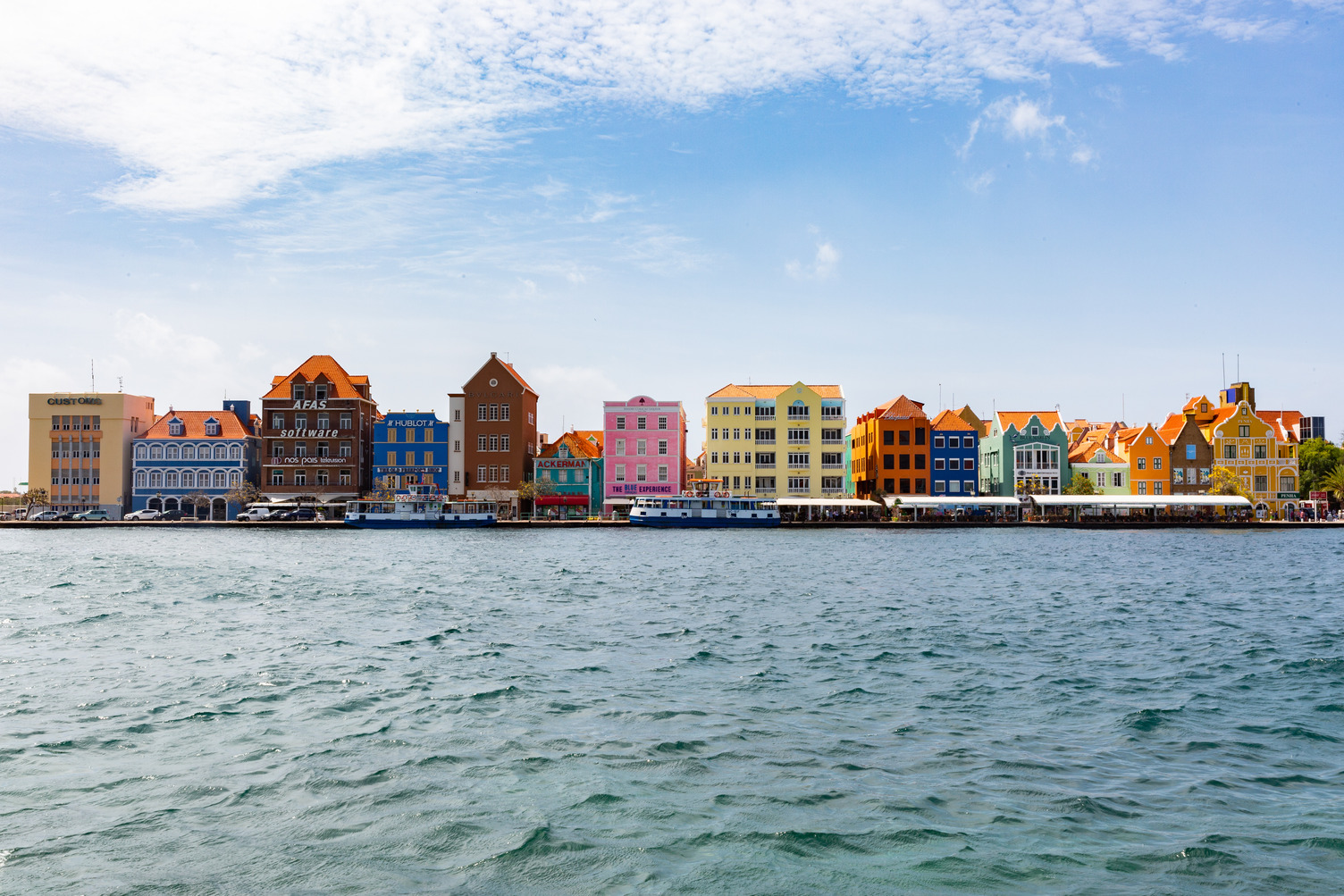
Willemstad — history painted in color.
Curaçao's capital developed around one of the Caribbean's great natural harbors. Its historic districts tell the story of centuries of commerce, migration, architecture and cultural exchange.
Historic Architecture
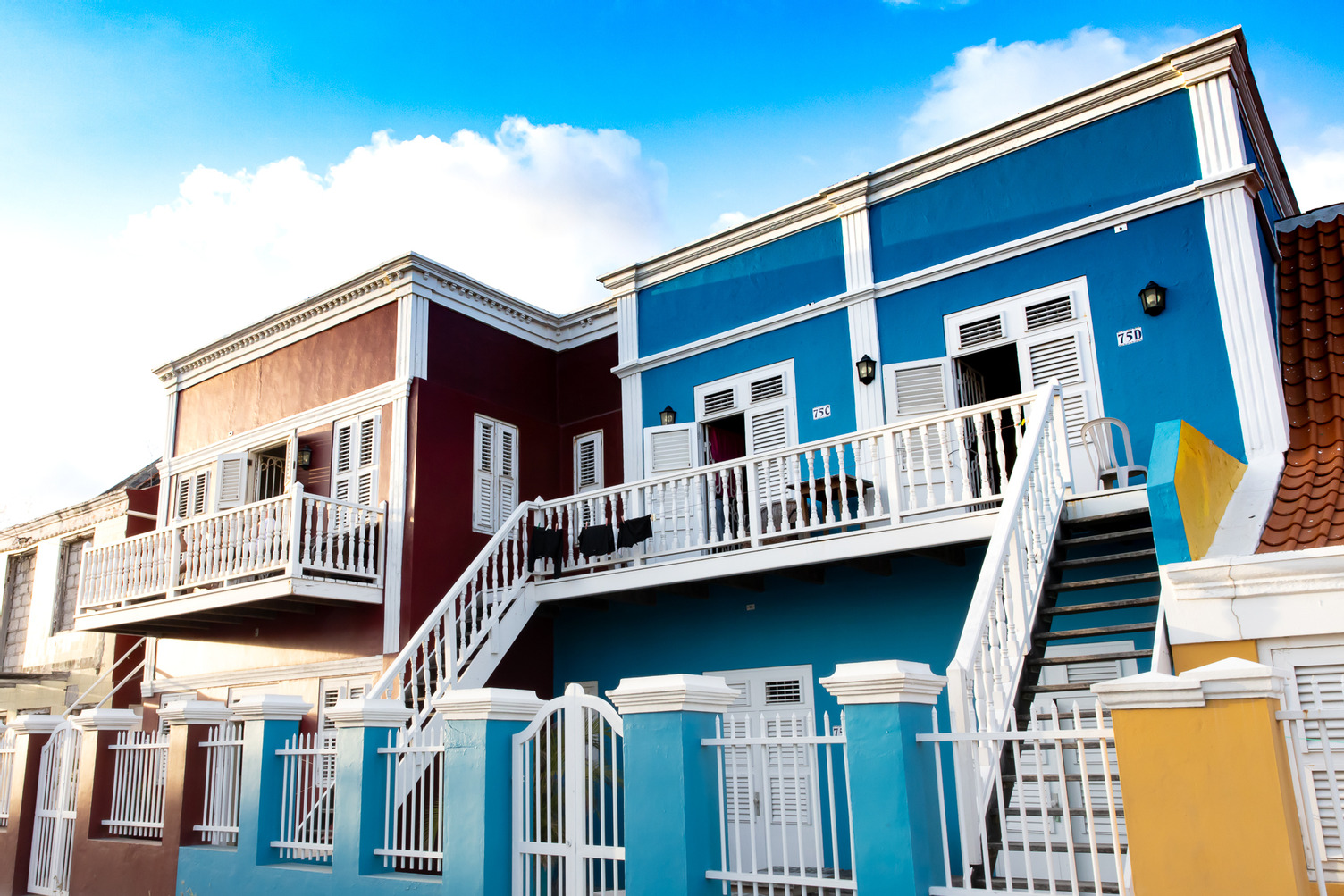
Dutch architectural traditions were transformed by the Caribbean climate, regional influences and local craftsmanship.
Colorful Districts
Punda, Otrobanda, Pietermaai and Scharloo each reveal a different chapter of Willemstad's development.
A Natural Harbor
Sint Anna Bay helped shape Willemstad into an important Caribbean port and remains at the heart of the city today.
Four sides of one remarkable island.
Travel just a short distance from Willemstad and the landscape changes dramatically — from quiet bays and limestone cliffs to cactus-covered hills and open coastal plains.
The South Coast
Sheltered bays and inlets create calm turquoise waters, beaches, diving locations and natural harbors.
The North Coast
Constant trade winds meet a rugged coastline of limestone cliffs, volcanic rock and dramatic surf.
The Wild West
Christoffel National Park protects some of Curaçao's most expansive scenery and its highest point, Mount Christoffel.
A Dry Caribbean Climate
Limited annual rainfall and abundant sunshine have shaped Curaçao's distinctive vegetation and open, arid landscapes.
Curaçao in color.
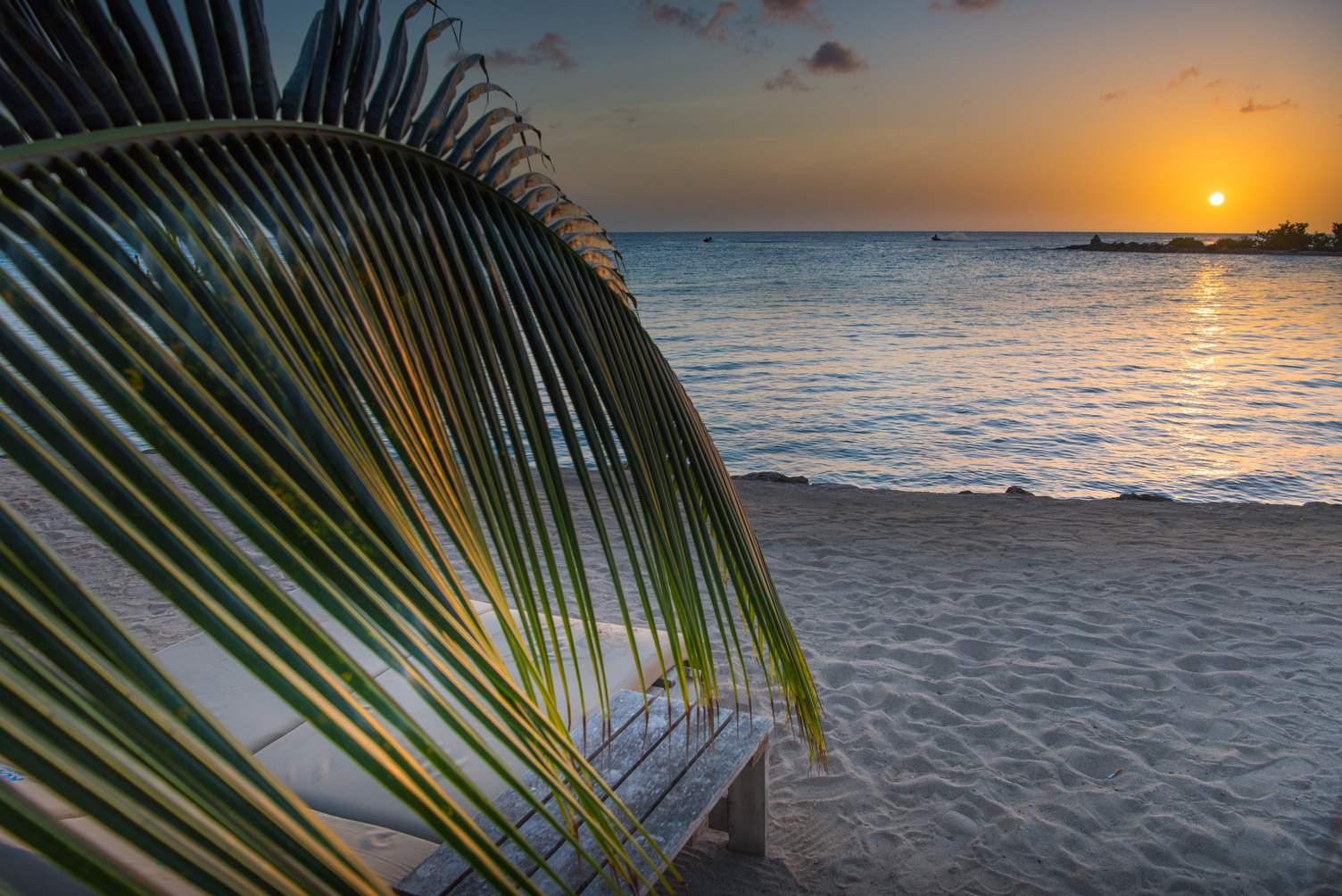
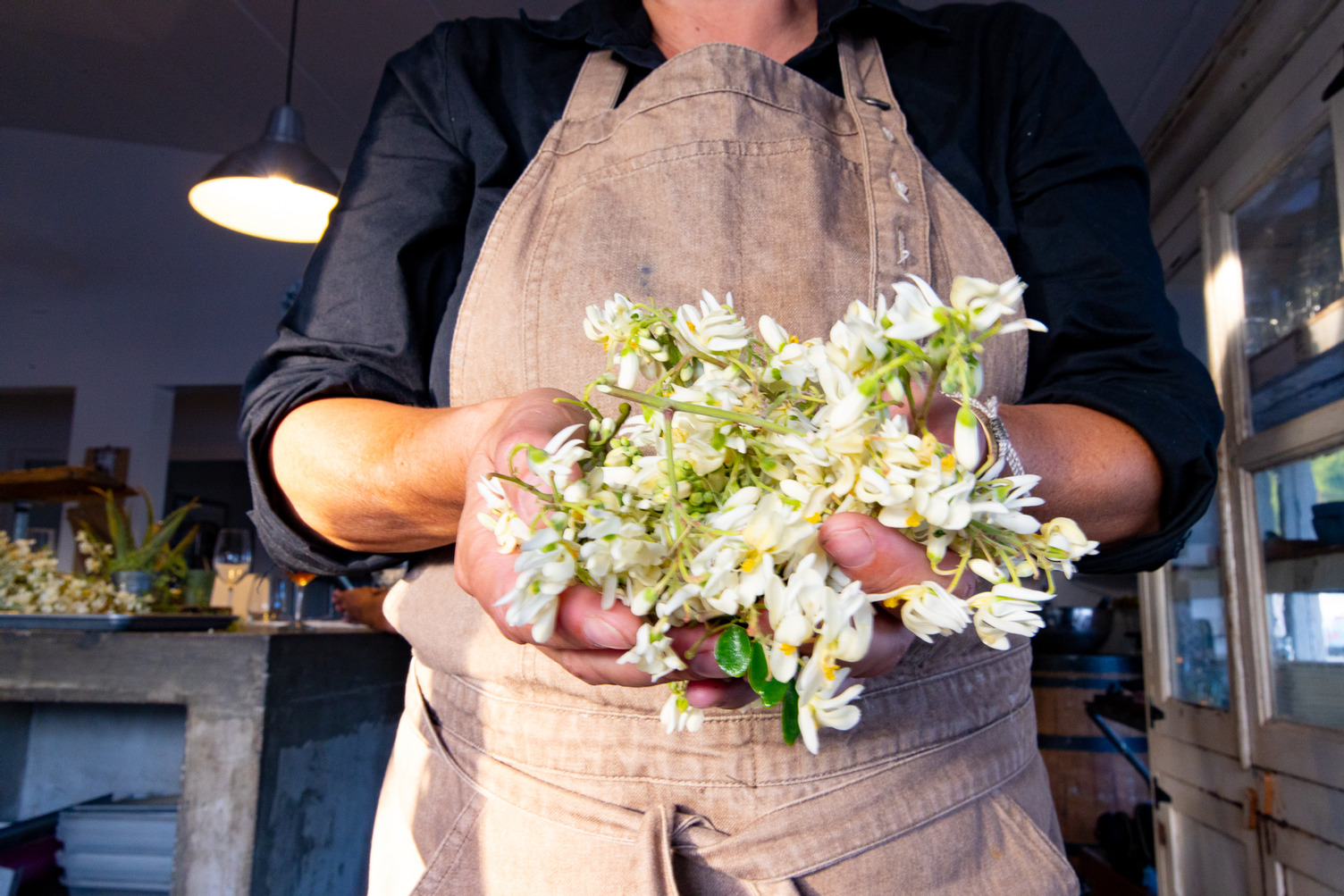
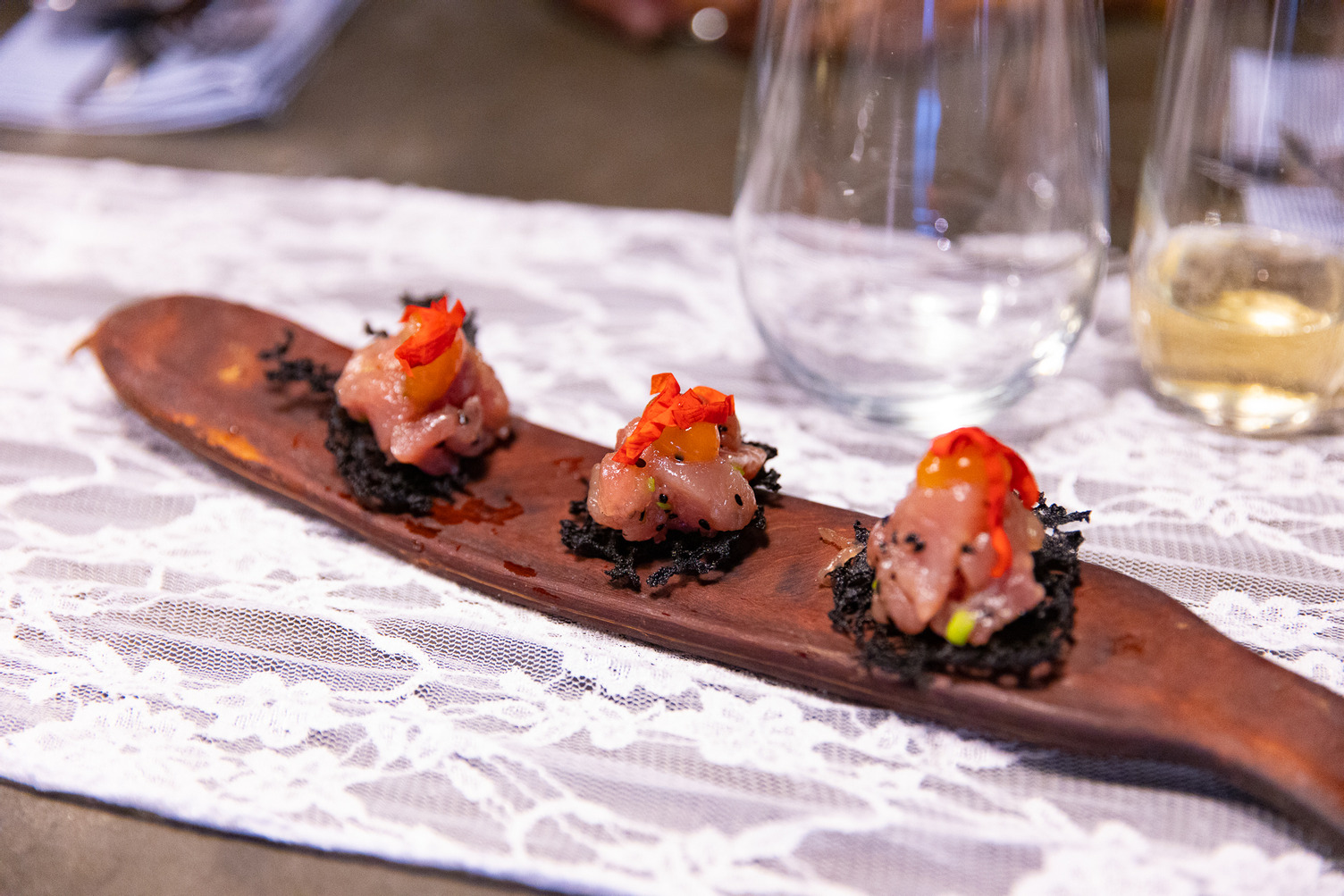
Architecture, coastlines, food, beaches and unforgettable Caribbean light.
More than a destination.
Curaçao rewards travelers who want more than a beach holiday. Here, culture, nature, architecture and Caribbean life are never far apart.
History You Can Walk Through
Wander the streets of Willemstad, cross the harbor, explore historic neighborhoods and discover centuries of architecture and cultural exchange.
Sea, Beaches & Adventure
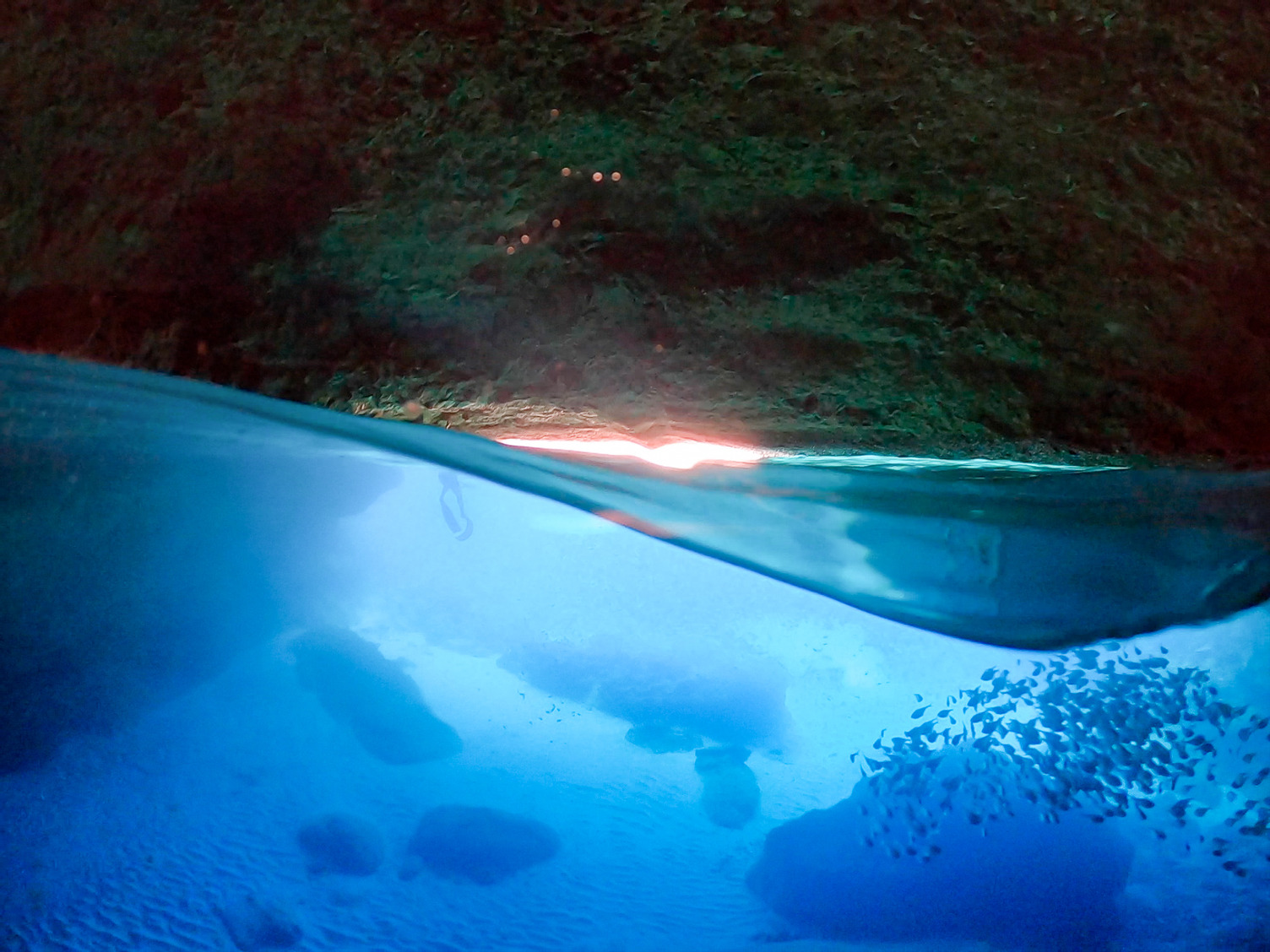
More than 35 beaches, clear Caribbean water and accessible reefs make the island ideal for swimming, snorkeling, diving and relaxing by the sea.
A Culture of Many Influences
Curaçao's food, language, music, art and traditions reflect generations of interaction between the Caribbean, Europe, Africa and the Americas.
See the island come alive.
Explore videos from the official Curaçao tourism channel and get a closer look at the island's beaches, culture, neighborhoods, events and unforgettable landscapes.
Visit the YouTube Channel ▶
Come for the competition.
Discover an island you'll remember.
Make COC 2026 more than an event. Explore historic Willemstad, discover Curaçao's beaches, experience its culture and take home a little of the island with you.